
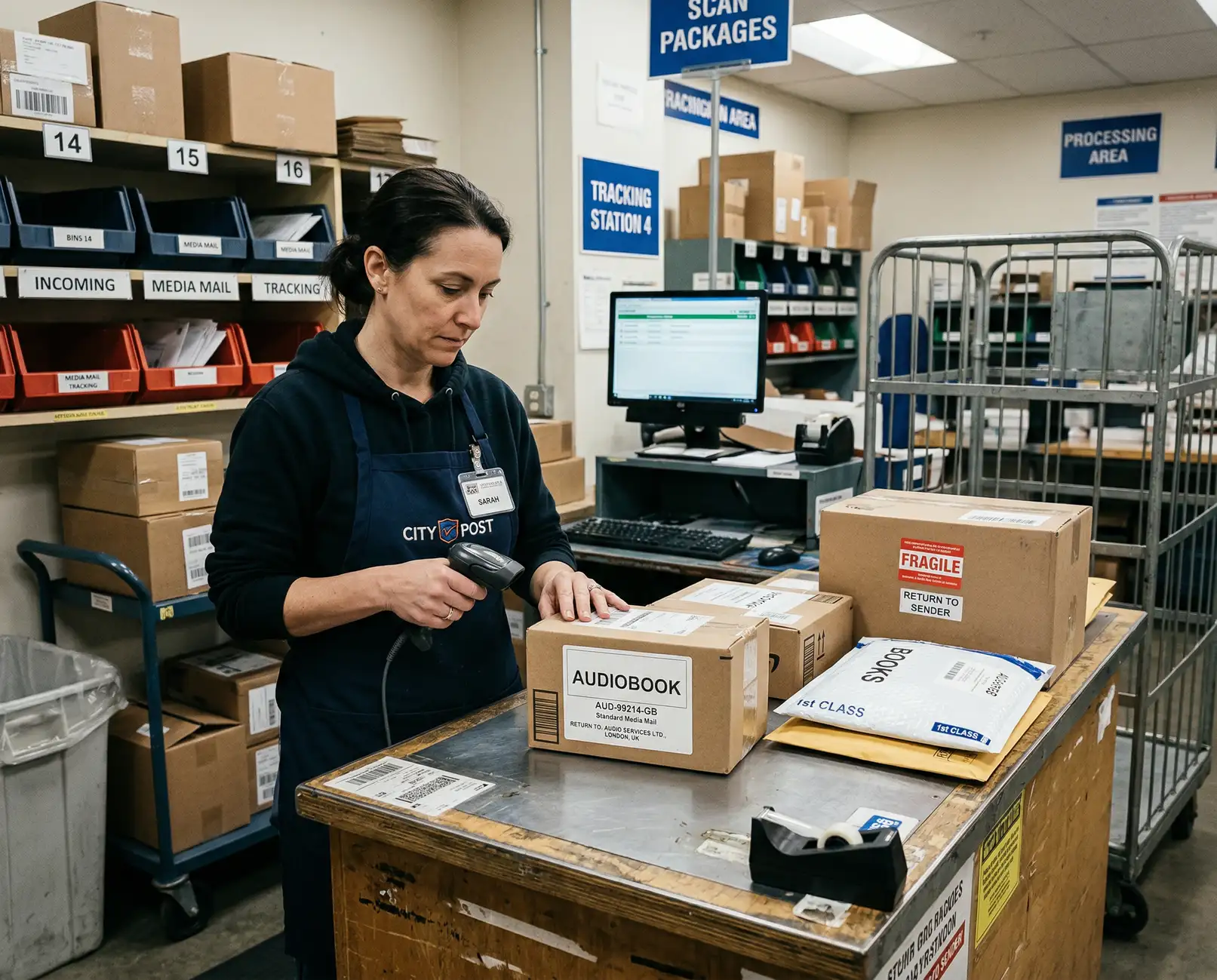
I once had an audiobook ready to go, fully edited, properly named files, clean audio. And it still got rejected.
Not because the content was bad. Because I missed a small technical detail buried in the platform requirements.
That was the moment I realized distribution is not just “upload and publish.” It is a process with rules, expectations, and a bit of patience.
If you are planning to get your audiobook onto platforms like Audible, it helps to understand how the system actually works before you hit submit.
When people say Audible, they usually mean a chain of platforms working together.
Most independent creators go through ACX, which feeds into Audible, Amazon, and Apple Books.
So you are not just uploading to one place. You are entering a system that handles production standards, metadata, royalties, and storefront placement.
That is why things feel a bit strict.
You have two main ways to get your audiobook onto Audible.
You can go through ACX directly, or you can use a distributor like Findaway Voices.
ACX is more tied into Audible and Amazon. It is straightforward if your goal is to be on those platforms specifically.
Findaway Voices gives you broader distribution across multiple storefronts, including libraries and smaller platforms.
But here is the tradeoff.
Some options require exclusivity. If you choose an exclusive deal through ACX, you usually get higher royalties, but you cannot distribute that same audiobook elsewhere.
So before you upload anything, decide how wide you want your audiobook to go.
This is harder to change later than people expect.
This is where many submissions fail.
Your files need to meet specific technical standards. Things like:
Consistent volume levels
Low background noise
Proper bit rate and format
Clean starts and endings for each file
Each chapter should be its own file.
And yes, there are exact numbers for these requirements, but the important thing is this. Do not guess.
Check the platform guidelines before exporting.
I have seen people redo entire exports because they missed a single setting.
Metadata is everything your listener sees before they press play.
Title, subtitle, author name, narrator name, description, categories, keywords.
This is not just a form to fill out quickly.
Your description needs to explain what the audiobook offers in a way that works for listeners, not just readers. Audio buyers think a bit differently. They care about experience, tone, and listening value.
Also pay attention to categories.
Where your audiobook is placed affects how it gets discovered.
Once your audio and metadata are ready, you upload everything through your chosen platform.
This part is usually straightforward.
You select your files, assign them to chapters, upload your cover, and fill in the remaining details.
Take your time here.
Simple mistakes like misordered chapters or incorrect titles can slip through if you rush.
After submission, your audiobook goes through a review.
This can take several days or longer.
The platform checks audio quality, formatting, and whether your files meet their requirements.
If something is off, they will reject it and tell you what needs fixing.
This is normal.
It does not mean your audiobook is bad. It just means something does not meet their standards.
Depending on the platform, pricing may be partly controlled by them.
On Audible, for example, pricing is influenced by length and membership structures.
You still make choices around royalties and distribution type.
If you chose exclusivity, your audiobook will be tied to that platform for a set period.
If you chose non-exclusive, you have more flexibility but often lower royalties from that channel.
Think of this as a long-term decision, not just a launch setting.
Once approved, your audiobook is scheduled for release.
It may not appear instantly.
There can be a delay before it shows up across all storefronts.
This is normal.
When it does go live, check your listing carefully. Make sure everything looks correct, from the cover to the chapter structure to the description.
A few things come up again and again.
They underestimate the technical requirements and get stuck in rejection cycles.
They rush metadata and end up with weak descriptions that do not attract listeners.
They choose exclusivity without thinking through future plans.
Or they assume distribution equals discovery.
That last one is important.
Getting your audiobook onto Audible does not guarantee people will find it.
Once your audiobook is live, the real work continues.
You need to connect it to your broader publishing ecosystem.
That could mean linking it to your eBook, your website, your email list, or a subscriber library.
If you are building a catalog of digital assets, your audiobook should not sit alone.
It should connect to other formats, other content, and other entry points for your audience.
Platforms like Audible are powerful, but they are not the only option.
Some creators also host their audiobooks directly.
That might be through a membership site, a private platform, or a bundled content library.
This gives you more control over pricing and access.
It also lets you package multiple audiobooks together, which can be useful if you are building a subscriber-focused model.
You do not have to choose one or the other.
Many creators use platform distribution for reach and direct hosting for deeper engagement.
From final audio to live listing, expect at least a couple of weeks.
Sometimes longer if revisions are needed.
If you are planning a coordinated launch, build in buffer time.
Rushing this stage usually leads to avoidable delays.
I would treat distribution as part of the production process, not something that happens after.
That means checking platform requirements before recording, not after editing.
It also means thinking about metadata and positioning earlier, not at the last minute.
And I would test the process with a smaller project first.
A short audiobook or a limited release can help you understand the system without the pressure of a major launch.
Getting your audiobook onto platforms like Audible is absolutely doable, even as a beginner.
But it is not a single step.
It is a sequence of decisions and checks that build on each other.
If you take the time to understand the process, prepare your files properly, and think beyond just the upload, you avoid most of the frustration people run into.
And once you go through it once, the next release feels far more manageable.
That is when distribution stops feeling like a barrier and starts feeling like part of your publishing workflow.